Bangladesh is one of the fastest-growing destinations for Indian industrial chemical exports. In the April–November 2025 period alone, India exported USD 251.52 million in organic chemicals to Bangladesh, according to IBEF’s India–Bangladesh Trade Report (2025–26). The demand is structural — driven by a garment industry that processes millions of kilograms of fabric every week, each kilogram requiring acids, bleaching agents, and pH regulators at industrial scale.
This guide is written for procurement managers and import buyers in Bangladesh’s RMG, textile, water treatment, and manufacturing sectors who are evaluating Indian suppliers or placing a first order.
- In FY2024-25, Bangladesh’s RMG sector exported USD 39.35 billion — 8.84% growth over FY2023-24 (TextileFocus / BGMEA, 2025).
- India supplies approximately 60% of Bangladesh’s chemical import shipments by count — SAFTA Form D preference, 7–10 day sea lane, and established freight corridors make it the default origin for liquid acids.
- BNACWC enrollment is mandatory before your first import of IMDG-classified chemicals. Processing takes approximately 60 days. Plan your supply timeline accordingly.
- Sea freight CFR Chittagong from Nhava Sheva runs 7–10 days. Land via Benapole-Petrapole adds significant dwell time — sea freight is the preferred route for liquid acids and IBCs.
- Every IMDG-classified shipment requires: GHS SDS, third-party COA, IMDG DG Declaration, UN Packing Certificate, and BNACWC enrollment certificate from the importer.
Which Industrial Chemicals Does Bangladesh’s RMG and Textile Sector Import?
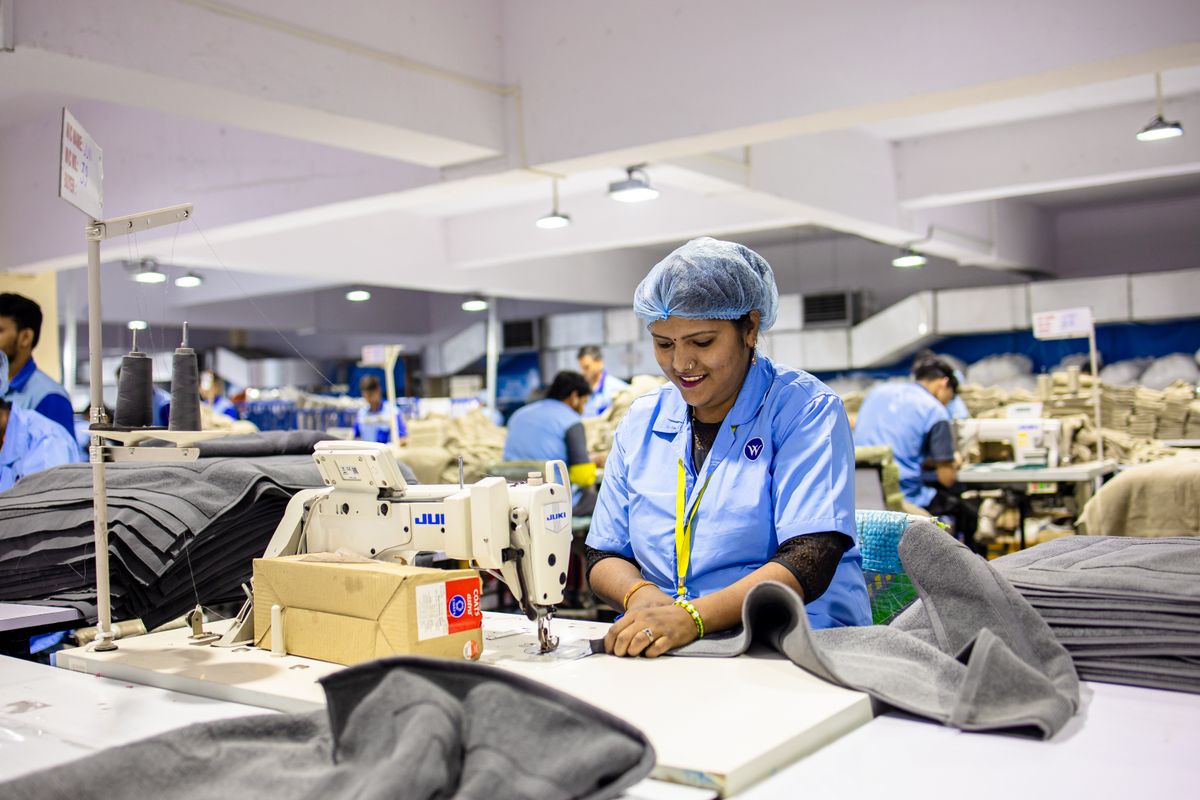
In 2023, a peer-reviewed study published in PLOS Sustainability and Transformation found that Bangladesh textile factories consume an average of 449 grams of chemicals per kilogram of textile material processed. That figure spans pre-treatment, dyeing, bleaching, and finishing — four stages where acids, oxidising agents, and alkalis are consumed in volume.
The four chemicals from India’s Gujarat export belt that directly serve these processes are:
| Chemical | Grade / Purity | Primary RMG / Textile Use | Secondary Use |
|---|---|---|---|
| Glacial Acetic Acid | 99.85% min · CAS 64-19-7 | Dyebath pH control (acid dyes, pH 4–6); fabric neutralisation after scouring | PET/polyester production, food-grade acidulant, pharma synthesis |
| Sulphuric Acid | 98% or 50% · CAS 7664-93-9 | pH adjustment in dye fixation; printed fabric colour development | Fertiliser production, battery manufacturing, metal pickling |
| Hydrogen Peroxide | 50% · CAS 7722-84-1 | Cotton bleaching at 3–5% working solution; environmentally preferred over chlorine bleach | Wastewater treatment, paper bleaching, food sterilisation |
| Hydrochloric Acid | 33% · CAS 7647-01-0 | Pre-treatment pH adjustment; steel descaling for metal component suppliers | Water treatment pH correction, mining leaching |
Bangladesh is the world’s second-largest garment exporter. In FY2024-25, the sector earned USD 39.35 billion — an 8.84% increase over the prior year, according to TextileFocus citing BGMEA data (2025). Every export-quality garment that leaves Dhaka or Chittagong passed through a wet-processing stage that consumed one or more of these chemicals.
India supplied approximately 60% of Bangladesh’s chemical import shipments by count during the October 2023–September 2024 period, according to Export Genius customs shipment data (2024). India, China, and Sri Lanka together accounted for approximately 76% of total shipment count — with India’s share reflecting proximity, SAFTA preferential duty status, and a 7–10 day sea lane to Chittagong that no other major origin can match.
What Documentation Is Required to Import IMDG-Classified Chemicals into Bangladesh?
IMDG-classified chemicals — including HCl (Class 8), H₂SO₄ (Class 8), H₂O₂ (Class 5.1+8), and Glacial Acetic Acid (Class 3+8) — require a longer document chain than standard goods. A rejected shipment at Chittagong Customs is expensive. Preparing the correct documents before the LC is opened prevents it.
There are two distinct document layers: what the importer in Bangladesh must hold, and what the Indian exporter must supply with each shipment.
What the Bangladesh Importer Must Obtain (One-Time Registrations)
The BNACWC (Bangladesh National Authority for Chemical Weapons Convention) enrollment certificate is the most time-sensitive item. Processing takes approximately 60 days from the date of application, according to the Bangladesh Trade Portal procedure guide. First-time importers frequently underestimate this lead time and miss their intended shipment window.
What the Indian Exporter Must Supply per Shipment
According to the Enviliance Asia regulatory report on Bangladesh hazardous chemical imports, the Department of Environment import permit process requires documentation including a pay order, valid IRC, letter of credit copy, trade permit, environmental permit for the storage facility, and — where applicable — permits from the Department of Explosives and Fire Service.
HS Codes and Duty Structure for Industrial Chemicals at Chittagong Customs
Bangladesh NBR applies six duty layers on imports: Customs Duty (CD), Supplementary Duty (SD), 15% VAT, Advance Income Tax (AIT), Advance Tax (AT), and Regulatory Duty (RD). For industrial raw material chemicals, CD is commonly 5–10% and SD is typically 0% — confirm exact current rates with your customs broker.
| Chemical | HS Code (BD HS 2022) | UN Number | IMDG Class |
|---|---|---|---|
| Hydrochloric Acid (HCl 33%) | 2806.10.00 | UN 1789 | Class 8 — Corrosive |
| Sulphuric Acid (H₂SO₄ 98% & 50%) | 2807.00.10 | UN 1830 | Class 8 — Corrosive |
| Glacial Acetic Acid (CH₃COOH 99.85%) | 2915.21.00 | UN 2789 | Class 3+8 — Flammable / Corrosive |
| Hydrogen Peroxide (H₂O₂ 50%) | 2847.00.00 | UN 2014 | Class 5.1+8 — Oxidiser / Corrosive |
Glacial Acetic Acid and Hydrogen Peroxide both carry dual IMDG hazard classifications. Your Indian exporter’s DG Declaration must reference both hazard classes — a single-class declaration will be rejected at Chittagong port entry.
NBR clears imports through the ASYCUDA World electronic system. Delays most commonly occur when the HS code on the Bill of Entry does not match the commercial invoice, or when the GHS SDS is missing from the document set.
Sea Freight vs Land Route: Which Is Right for Your Bangladesh Shipment?
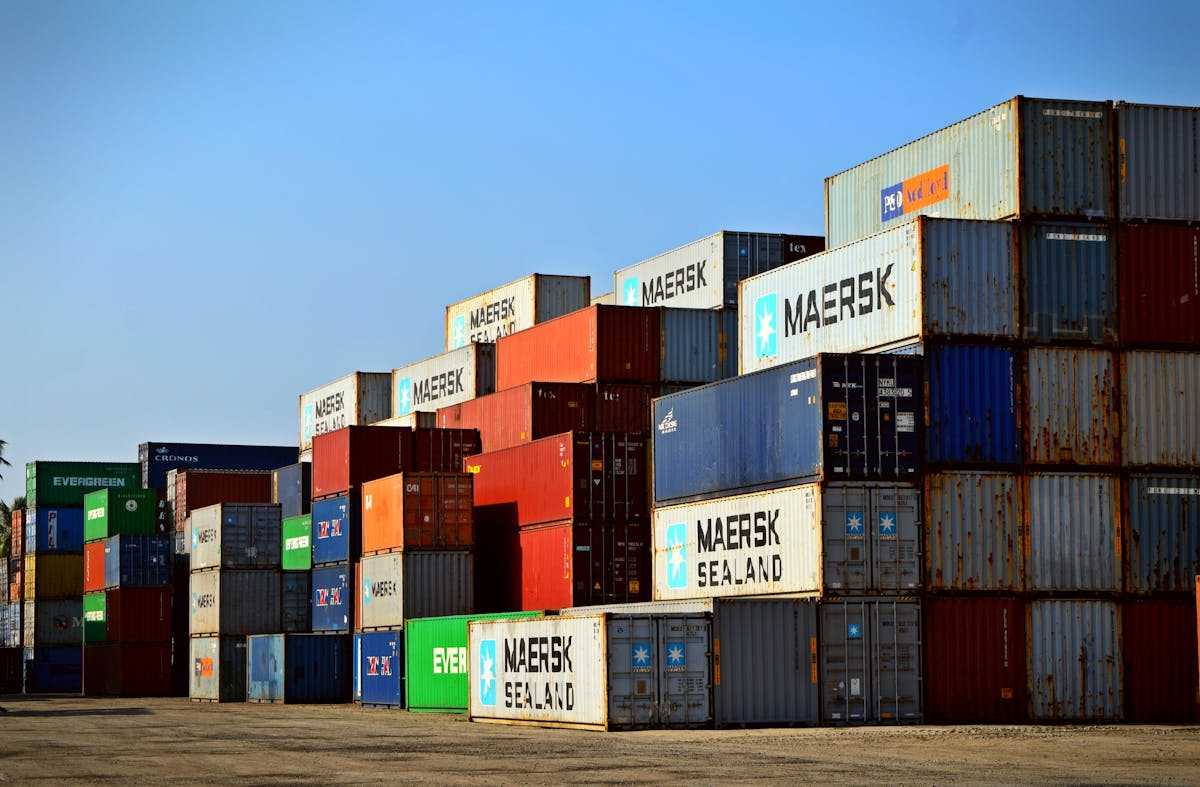
In FY2024-25, Chittagong Port handled a record 3.296 million TEUs — a 4% increase over the prior year and the highest container throughput in the port’s 48-year history, according to The Business Standard Bangladesh (2025). Despite that volume, sea freight from Nhava Sheva to Chittagong remains the most practical route for FCL liquid chemical shipments.
Sea Freight — CFR Chittagong (Recommended for Liquid Acids)
Sea freight is the default route for IBCs, ISO tanks, and drum shipments of HCl, H₂SO₄, H₂O₂, and Glacial Acetic Acid. A typical order-to-vessel-departure timeline from SNJ Exim is 14–21 days, with ETD, vessel name, and BL copy sent to the buyer before departure. For Glacial Acetic Acid in ISO tanks, availability should be confirmed at the RFQ stage.
Land Route — Petrapole (India) to Benapole (Bangladesh)
The Benapole-Petrapole crossing handles approximately 65% of India–Bangladesh land-based trade by value, according to a World Bank cross-border trade study. However, truck dwell time at Petrapole ICP is substantial. For a first FCL shipment, sea freight is the lower-risk choice.
SNJ Exim’s Ankleshwar–Nhava Sheva–Chittagong corridor offers Bangladesh RMG buyers a structural advantage: a 7–10 day CFR transit that no European or Chinese supplier can replicate at comparable cost. Regular feeder services connect Nhava Sheva to Chittagong three to four times per week.
India vs China: Which Supply Origin Works Better for Bangladesh Chemical Buyers?
China is the second-largest origin for Bangladesh chemical imports by shipment count. The comparison between Indian and Chinese suppliers comes down to four factors: transit time, documentation standard, SAFTA duty eligibility, and minimum order flexibility.
| Factor | India (Gujarat origin) | China |
|---|---|---|
| Transit to Chittagong | 7–10 days CFR from Nhava Sheva | 12–18 days from Shanghai / Tianjin |
| SAFTA duty preference | Yes — Form D from FIEO or chamber | No SAFTA; APTA preference available but narrower |
| GHS SDS standard | GHS Revision 7 — English | Varies by supplier |
| Third-party COA | Standard on every shipment | Common for large exporters; verify for smaller ones |
| MOQ | 1 FCL (~18–22 MT) | Often 1 FCL, sometimes higher |
| ISO tank option | Available for HCl, H₂SO₄, Glacial Acetic Acid | Available from major exporters |
Grade Selection: Matching Chemical Purity to Your Process
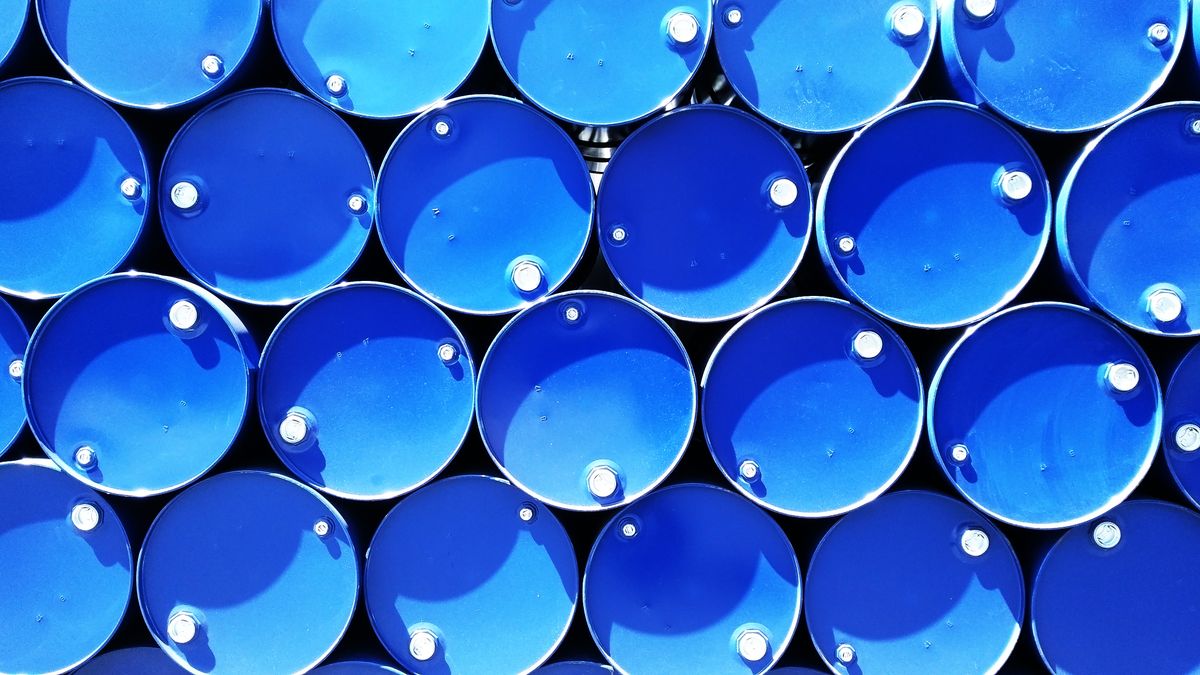
Over-specifying purity adds cost without benefit. Under-specifying causes process failures. The grades below are matched to Bangladesh RMG and textile processing requirements.
| Application | Correct Grade | Why This Grade | Packaging |
|---|---|---|---|
| Acid dyeing (polyamide, wool, nylon) | Glacial Acetic Acid 99.85% | High purity ensures consistent pH control; low iron content prevents dye shade variation | Drums, IBCs, ISO tank (≥16 MT) |
| Cotton bleaching (pre-treatment) | H₂O₂ 50% | 50% is standard for industrial bleach baths, diluted to 3–5% in process | Drums, IBCs |
| Wastewater neutralisation | H₂SO₄ 50% or HCl 33% | 50% H₂SO₄ is safer at ETP scale; HCl 33% where chloride discharge is acceptable | Drums, IBCs, ISO tank |
| Dye fixation / printing | H₂SO₄ 98% | High concentration required for reactive dye fixation; diluted on-site | Drums, IBCs, ISO tank |
| Boiler descaling / CIP | HCl 33% | Effective for calcium carbonate and iron oxide scale removal | Jerrycans, Drums, IBCs |
Frequently Asked Questions
- Start BNACWC enrollment 75 days before your first vessel departure date.
- Every IMDG shipment requires: GHS SDS, third-party COA, DG Declaration, UN Packing Certificate, and SAFTA Form D.
- Sea freight CFR Chittagong from Nhava Sheva: 7–10 days — the recommended route for FCL liquid acid shipments.
- HS codes: HCl 2806.10.00 · H₂SO₄ 2807.00.10 · Acetic Acid 2915.21.00 · H₂O₂ 2847.00.00
- Match grade to application — Glacial Acetic Acid 99.85% for dyebath pH control, H₂O₂ 50% for cotton bleaching, H₂SO₄ 98% for dye fixation.